


2023-07-18T04:41:44
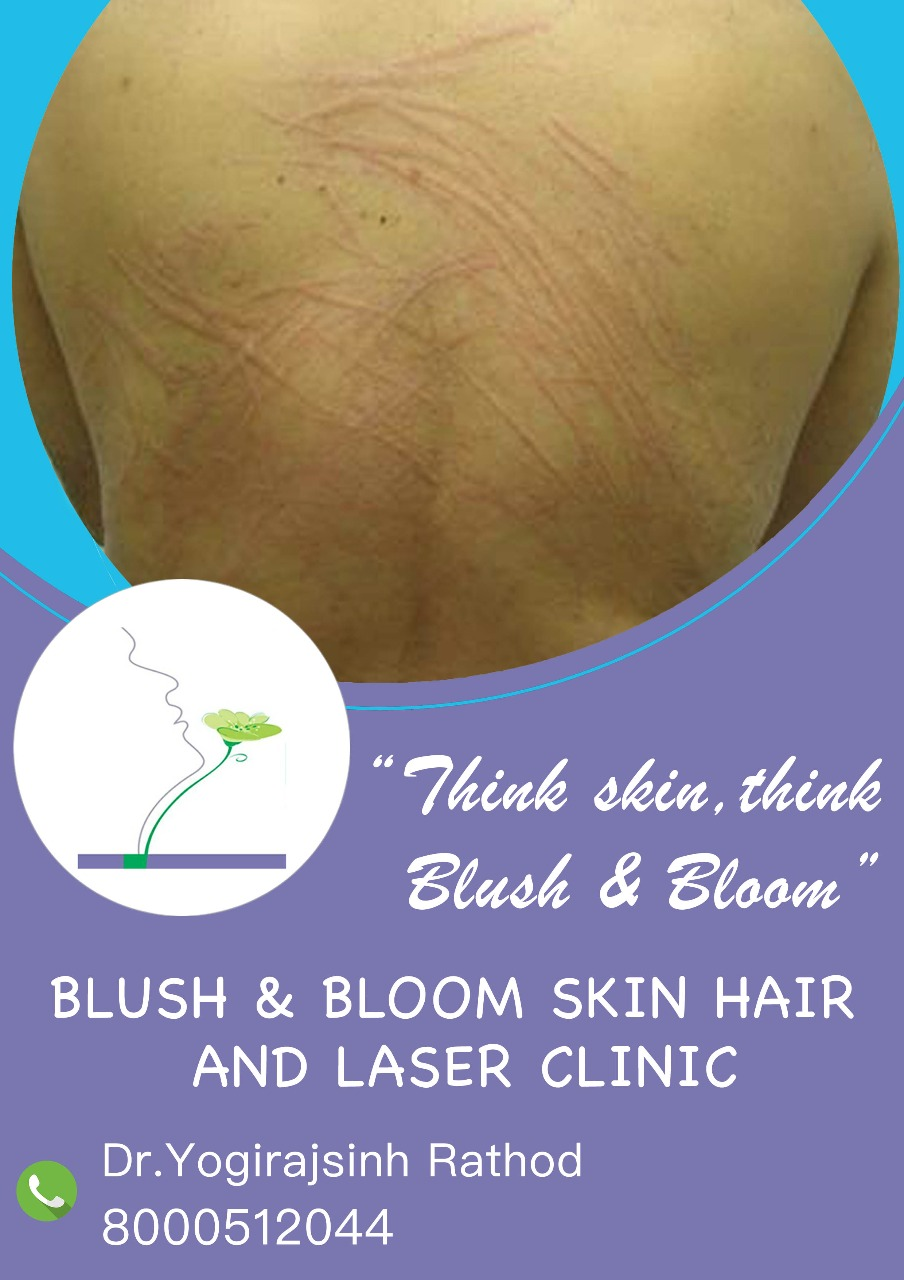
Welcome to the official blog of Blush & Bloom Skin Clinic, Bopal. Today, we will be discussing a common skin condition known as urticaria, also referred to as hives. Urticaria can be an uncomfortable and distressing condition, but with the right knowledge and treatment, it can be effectively managed. In this article, we will delve into the causes, symptoms, and available treatment options for urticaria. What is Urticaria? Urticaria is a skin condition characterized by the sudden appearance of itchy, raised, red welts or bumps on the skin. These welts, known as hives, can vary in size and shape and may appear anywhere on the body. They typically come and go within a few hours or days and can be recurrent or chronic in nature. Causes of Urticaria: Urticaria is usually caused by an allergic reaction in the body, triggered by various factors. Some common causes include: Food Allergies: Certain foods such as peanuts, shellfish, eggs, and dairy products can trigger urticaria in susceptible individuals. Medications: Some medications like antibiotics, non-steroidal anti-inflammatory drugs (NSAIDs), and aspirin can cause an allergic reaction leading to hives. Insect Bites or Stings: Bee stings, mosquito bites, or bites from other insects can result in urticaria. Environmental Allergens: Exposure to allergens like pollen, pet dander, dust mites, or certain chemicals can induce hives in sensitive individuals. Physical Triggers: Urticaria can also be triggered by physical factors such as pressure on the skin (dermatographism), exposure to cold or heat, or excessive sweating. Symptoms of Urticaria: The primary symptom of urticaria is the appearance of red, itchy welts on the skin. These welts may be round or irregularly shaped and can vary in size from small dots to large patches. Other common symptoms include: Itching: The hives are often accompanied by intense itching, which can be distressing and may worsen with scratching. Swelling: In some cases, swelling, also known as angioedema, can occur alongside the hives. It usually affects the lips, eyelids, tongue, or hands. Burning Sensation: Hives may cause a burning or stinging sensation on the skin, adding to the discomfort experienced by the individual. Treatment Options for Urticaria: The treatment for urticaria depends on its underlying cause, severity, and duration. Here are some common approaches used to manage this condition: Avoiding Triggers: Identifying and avoiding triggers that cause urticaria is crucial. This may involve eliminating specific foods, changing medications, or minimizing exposure to known allergens. Antihistamines: Non-drowsy oral antihistamines are often the first line of treatment. They help relieve itching and reduce the intensity and frequency of hives. Topical Treatments: Calamine lotion or corticosteroid creams can be applied topically to soothe itching and reduce inflammation. Immune-Suppressing Medications: In severe cases or chronic urticaria, immune-suppressing medications may be prescribed to control the body's allergic response. Allergy Testing: If the cause of urticaria remains unknown, allergy testing may be recommended to identify potential triggers. When to Seek Medical Attention: While most cases of urticaria resolve on their own or with basic treatment, it is essential to consult a dermatologist if: The hives are severe, persistent, or causing significant discomfort. Swelling occurs in the face, lips, or throat, leading to difficulty in breathing or swallowing. Urticaria is accompanied by other concerning symptoms such as fever, joint pain, or fatigue. Conclusion: Urticaria can be an unwelcome intrusion into your daily life, but with the right understanding and treatment, it can be effectively managed. If you or someone you know is experiencing urticaria, it is essential to consult a dermatologist for proper diagnosis, treatment, and guidance. At Blush & Bloom Skin Clinic, Bopal, our experienced team is dedicated to helping you achieve healthy, radiant skin and providing comprehensive care for various skin conditions, including urticaria. Remember, knowledge is the first step toward effective management, so stay informed and take control of your skin health.